Hazard perception
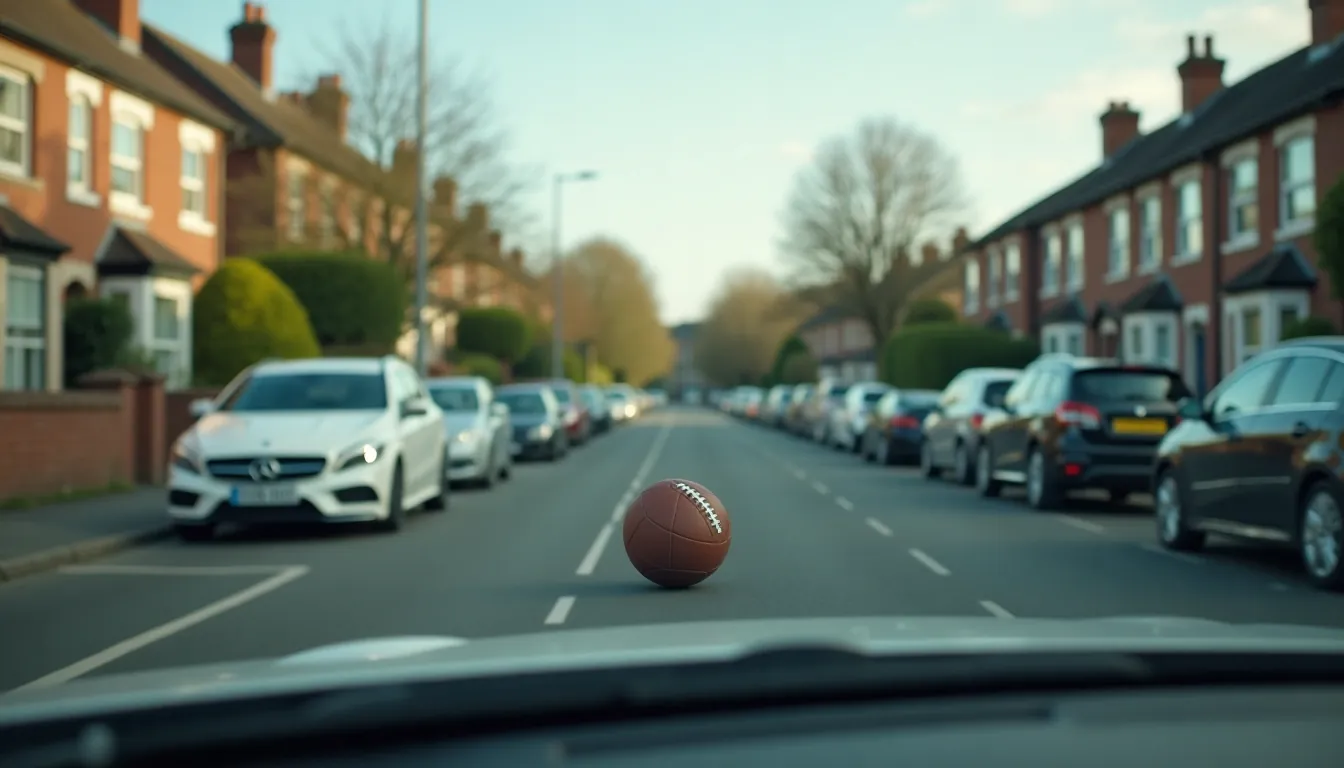
Hazard perception is the second part of the theory test. It measures how early you notice something that will make you change speed or direction.
What is a developing hazard?
A developing hazard is one that would make you take action, such as slowing down, stopping or changing course. A parked car is a potential hazard; a parked car whose indicator comes on as you approach is a developing one. Only developing hazards are scored.
How scoring works
Each scored hazard has a window of time. Click early in the window and you score up to 5 points; click later and you get fewer. Click before the window opens and you won't score, but a later click inside the window still counts. Clicking constantly or in a regular pattern is detected, and you'll score zero for that clip.
Getting better at it
- Look further ahead. Scan the whole scene, including pavements, side roads, mirrors and junctions.
- Click when something changes: a pedestrian steps towards the kerb, brake lights come on, a cyclist looks over their shoulder.
- It's fine to click more than once as a hazard develops, as long as it isn't a rhythmic pattern.
- Practise on your lessons. Say out loud what you can see developing; instructors call this commentary driving.
Next step: the practical driving test
Last reviewed: November 2026