Driving at night and in bad weather
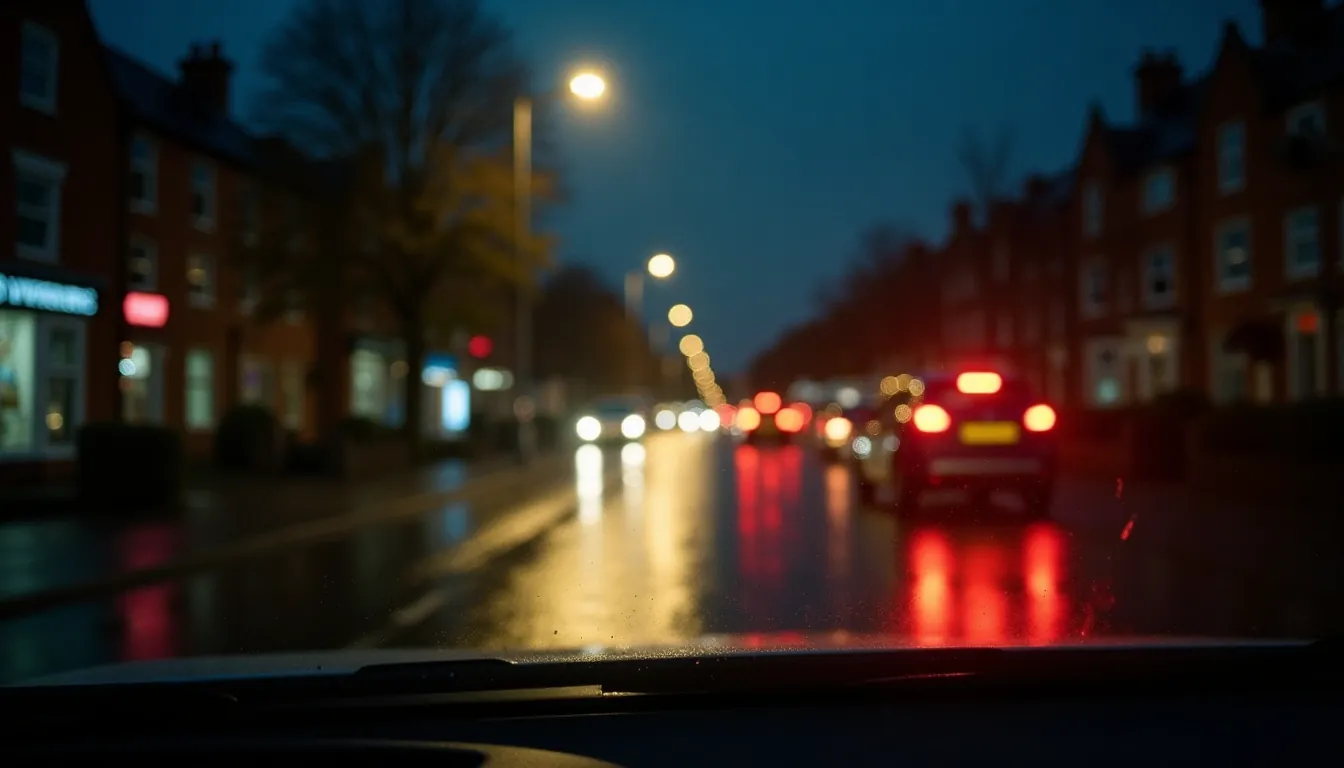
Night and bad weather are where new drivers have the least experience. These are the basics; the Highway Code has the full rules.
At night
- Use dipped headlights at night in built-up areas and when visibility is reduced.
- Use main beam on unlit roads, but dip for oncoming traffic and when following another vehicle.
- Keep your windscreen clean inside and out; glare is worse through a dirty screen.
- Drive so you can stop within the distance you can see to be clear.
Rain
- Stopping distances are at least double on wet roads.
- If the steering feels light in standing water, ease off the accelerator gently and let the car slow down.
- Avoid driving through flood water. If you must, go slowly and test your brakes afterwards.
Fog
- Use fog lights when visibility is seriously reduced, generally when you can't see more than 100 metres, and switch them off when it improves.
- Don't follow the lights of the car in front too closely.
Ice and snow
- Stopping distances can be up to ten times longer on ice.
- Clear all snow and ice from windows, mirrors, lights and the roof before you set off.
- Pull away gently, using a higher gear where your car allows, and brake gently and early.
- Ask whether your journey is essential at all.
Back to the start: learning to drive, step by step
Last reviewed: November 2026